

What Is a Mini Bike?
Mini bikes are scaled-down motorcycles built for recreation, off-road play, and backyard fun. A gas mini bike runs on a small gasoline engine, while a mini dirt bike is tuned for loose ground, mud, and trails. Think of it as a compact pit bike you can toss around on dirt or gravel without the size and cost of a full-size motorcycle.
Types of Mini Bikes
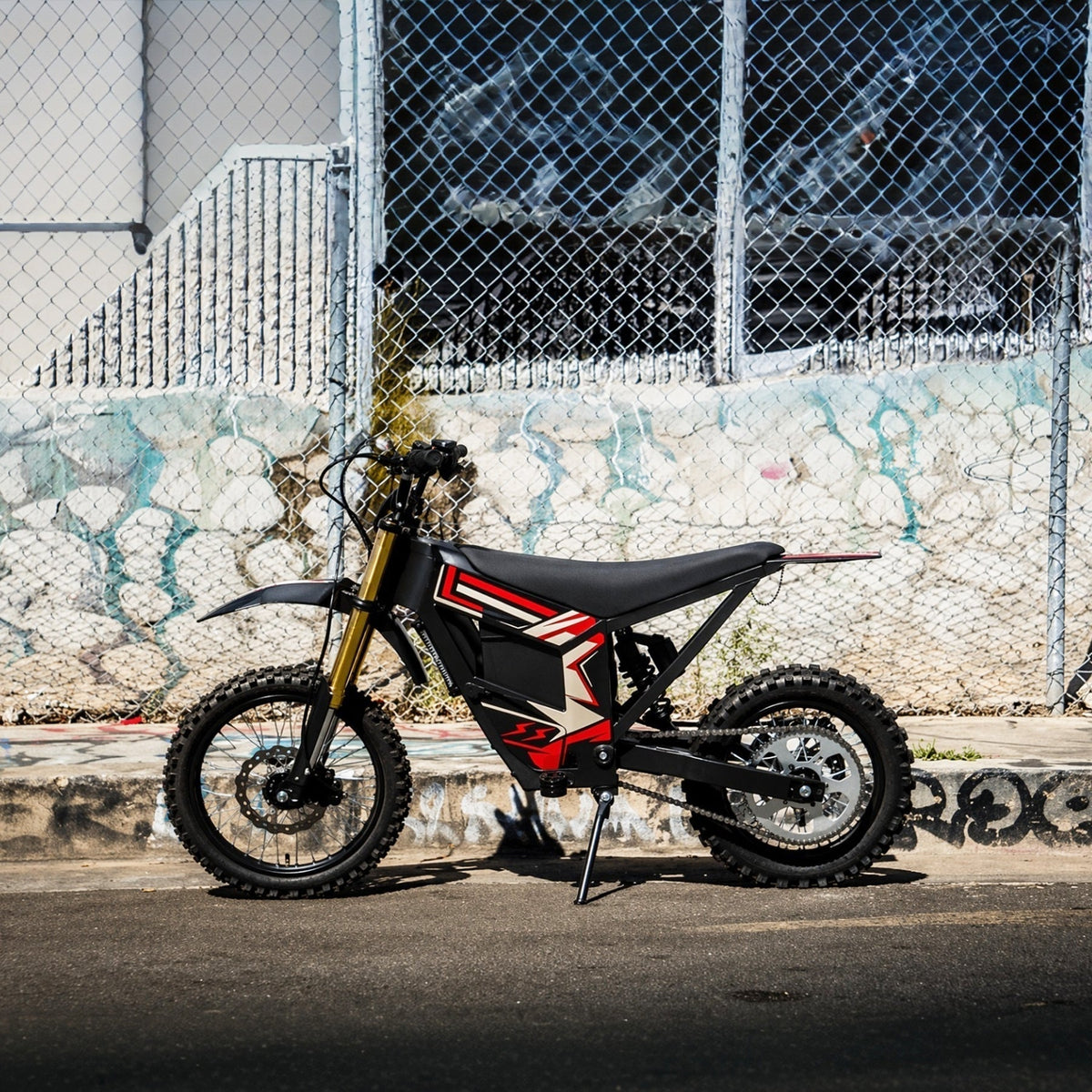
Electric mini bikes run quietly on rechargeable batteries with zero emissions, making them a low‑maintenance choice for beginners and eco‑conscious riders. They are ideal for short, low‑speed practice close to home.
Gas powered mini bikes use a small gasoline engine, which delivers higher speeds and longer riding time. Riders who want more power and range usually choose a gas mini bike over an electric model.
Choosing Your First Mini Bike
When buying a mini bike, first consider size and weight. Pick a mini bike that matches your size and skill level. Lightweight models are easier for beginners to handle, while larger riders often prefer a mini dirt bike with a more robust frame and better ground clearance.

You will also need to decide on your mini bike engine type. Choose between an electric and a gas mini bike based on how and where you plan to ride. Electric models are quieter and cleaner, while a gas powered mini bike gives you higher speeds, longer range, and the authentic four‑stroke feel many adult riders enjoy.
Pay close attention to safety features as well. Look for reliable brakes, a sturdy frame, and easy‑to‑reach controls. These basics matter most on a mini bike for adults, where confidence comes from knowing the machine responds predictably.
Essential Gear for Mini Bike Riders
A quality helmet is non‑negotiable on any mini bike. A full‑face helmet offers the most protection, while an open‑face version gives more ventilation and visibility, so long as it meets recognized safety standards.
Wear durable gloves to improve grip and protect your hands. Add abrasion‑resistant clothing, such as a jacket and pants, so that a fall on a mini dirt bike or trail bike leaves you with scrapes instead of serious injuries.
Knee and elbow pads shield the joints most exposed during a fall. Choose pads that fit snugly and offer real padding without restricting your movement on the bike.
Mini Bike Maintenance Tips
Complete daily checks and inspections before every ride. Check tire pressure, brakes, chain tension, and lights. On a gas mini bike, also confirm fuel and oil levels so the engine starts clean and stays reliable.

Perform regular cleaning and lubrication. Clean your mini bike after muddy or dusty rides to remove dirt and grime that speed up wear. Lubricate the chain and cables regularly to prevent rust and keep every control smooth.
For electric mini bikes, follow proper battery maintenance. Keep the battery topped up and store it per the manufacturer's guidance. Proper charging habits extend its life and keep every ride consistent.
Learning to Ride a Mini Bike Safely
Find a safe place to ride a mini bike to begin your practice. Start in a spacious, flat, obstacle‑free area. Empty lots and designated off‑road spots are the best places to learn how to ride a mini bike, because you can focus on control instead of hazards.
Practice mounting and dismounting techniques until they feel natural. Confident starts and stops reduce the risk of tip‑overs and make every ride on your mini bike safer.
Master basic mini bike riding skills. Learn the basics, such as throttle control, braking, and balance, at low speed first. As your confidence grows, you can start a mini bike with a pull start and ease into faster, more technical riding.
Exploring Different Riding Techniques
Focus on smooth acceleration and braking. Apply throttle and brake inputs gradually. Smooth acceleration and braking keep a gas mini bike stable and stop the rear wheel from washing out on loose ground.

Work on turning and cornering techniques. Master turning by leaning into corners while holding a steady speed. Use your body weight to balance the bike through tight bends without fighting the handlebars.
Get comfortable riding a mini bike on different terrain. Try pavement, gravel, and dirt to see how your mini bike responds. Each surface changes your technique: stand up and shift weight back on loose gravel, and stay relaxed and centered on grass. A mini trail bike shines on packed dirt and mild trails.
Mini Bike Safety Tips
Always wear your safety gear for every outing. Wear a helmet, gloves, protective clothing, and knee or elbow pads on every ride. Proper gear is the cheapest insurance a mini bike rider can carry.
Obey mini bike traffic laws at all times. Follow local traffic laws and speed limits, and keep mini bikes off public roads where they are not legal. Respect pedestrians and other road users so riding stays safe and responsible.
Practice riding defensively. Stay alert and anticipate hazards. Keep a safe distance from other vehicles, signal your moves, and be ready to react quickly, because defensive riding prevents most avoidable crashes on a mini bike.
Joining the Mini Bike Community
Connect with local clubs and groups. Local mini bike clubs and groups are a great way to meet enthusiasts and join group rides. They offer support, shared knowledge, and plenty of camaraderie for new riders.
Take part in online forums and communities. Online forums and social groups connect you with mini bike riders worldwide. Swap tips, ask questions, and keep up with new models, maintenance tricks, and upcoming events.
Consider participating in mini bike events. Attend mini bike races, rallies, and exhibitions to watch competitive riding and show off your skills. Events are the fastest way to absorb the culture and meet like‑minded riders.
Advancing Your Skills
Work on advanced riding techniques to level up your ability. Push yourself with advanced techniques like high‑speed cornering, controlled drifting, or obstacle courses. Regular practice on your gas mini bike refines balance, speed, and precision.
You can try mini bike racing and competitions. Try local races, time trials, or mini moto championships to test your speed against other riders. Competition is where the thrill of mini bike riding really comes alive.
Support local races and events. Support local mini bike races and events to grow the sport and connect with fellow riders. These gatherings build community and keep the riding scene thriving.
For ambitious riders, look into national and international competitions. For the ambitious, national and international competitions put your mini bike skills on a bigger stage. Representing your region against top riders is a rewarding long‑term goal.
Maintaining Your Mini Bike
Stick to scheduled maintenance checks. Follow the maintenance schedule in your mini bike manual. Service brakes, chain tension, and fluid levels on time to keep the bike safe and performing at its best.
Learn troubleshooting for common issues. Learn to fix common problem s like engine misfires, electrical faults, and brake issues. A little troubleshooting knowledge saves money and keeps your gas mini bike on the trail.
You can also consider upgrading your mini bike. Upgrade your mini bike with better suspension, tires, or brakes to match your riding style. Smart upgrades turn an entry‑level machine into one that handles tougher terrain with ease.
Mini Bike Safety Precautions
Understand mini bike risks before you ride. Mini bike riding carries real risks, including falls, collisions, and road hazards. Understand them, follow safety guidelines, and ride within your skill so the fun stays safe.
Prepare for dealing with accidents and emergencies. Carry a first aid kit and know basic first aid. Keep emergency contacts handy and learn how to report an accident or get help quickly if something goes wrong.
Look into mini bike insurance coverage. Consider insurance built for mini bikes to cover accidents, theft, or liability. Review your options so a single incident never becomes a financial setback.
Enjoying the Thrill of Mini Bike Adventures
Try planning your mini road trips. Plan mini road trips to scenic spots and open trails on your mini bike. Map out fuel stops, rest breaks, and points of interest so the ride is relaxed and enjoyable.
Seek out and explore scenic routes. Explore winding roads and hidden trails to discover new landscapes on your mini bike. These journeys turn a short ride into a memory and show just how far a small machine can take you.
Observe good group riding etiquette. Ride in a staggered formation, use hand signals or intercoms, and respect each rider's space and pace. Courteous group riding keeps everyone safe and the mood fun.
Promoting Mini Bike Safety
Focus on advocating for safe riding practices. Encourage safe practices and proper gear use in the mini bike community. Educating riders on laws and technique keeps the sport responsible and welcoming.
Take part in educating new riders. Share what you have learned with new mini bike riders, from choosing the right machine to mastering basic technique and staying safe. Mentoring new riders strengthens the whole community.
Support mini bike safety initiatives. Support local safety programs, advocacy, and better riding infrastructure. Partnering with clubs or local authorities helps improve mini bike safety for everyone.
Conclusion
Owning a mini bike, especially a gas powered mini bike for adults, is one of the most rewarding ways to enjoy the outdoors. Whether you ride a mini dirt bike on trails or a compact 105cc mini bike around the yard, steady practice, good gear, and smart technique will keep the thrill alive for years. For adult beginners who want a reliable four-stroke machine with an automatic transmission, a quality gas mini bike is a solid place to start.

Leave a comment
All comments are moderated before being published.
This site is protected by hCaptcha and the hCaptcha Privacy Policy and Terms of Service apply.