
Are you curious about the thrill of off-road riding but intimidated by full-sized motorcycles? A mini bike might be the perfect entry point into the world of two-wheeled adventure. These compact, gas-powered machines offer an accessible way for beginners to learn the fundamentals of riding while having fun. Whether you’re looking for a weekend hobby or a new way to explore the outdoors, this riding guide will help you kick off your mini bike journey safely and confidently.
What Is a Mini Bike and How Does It Work
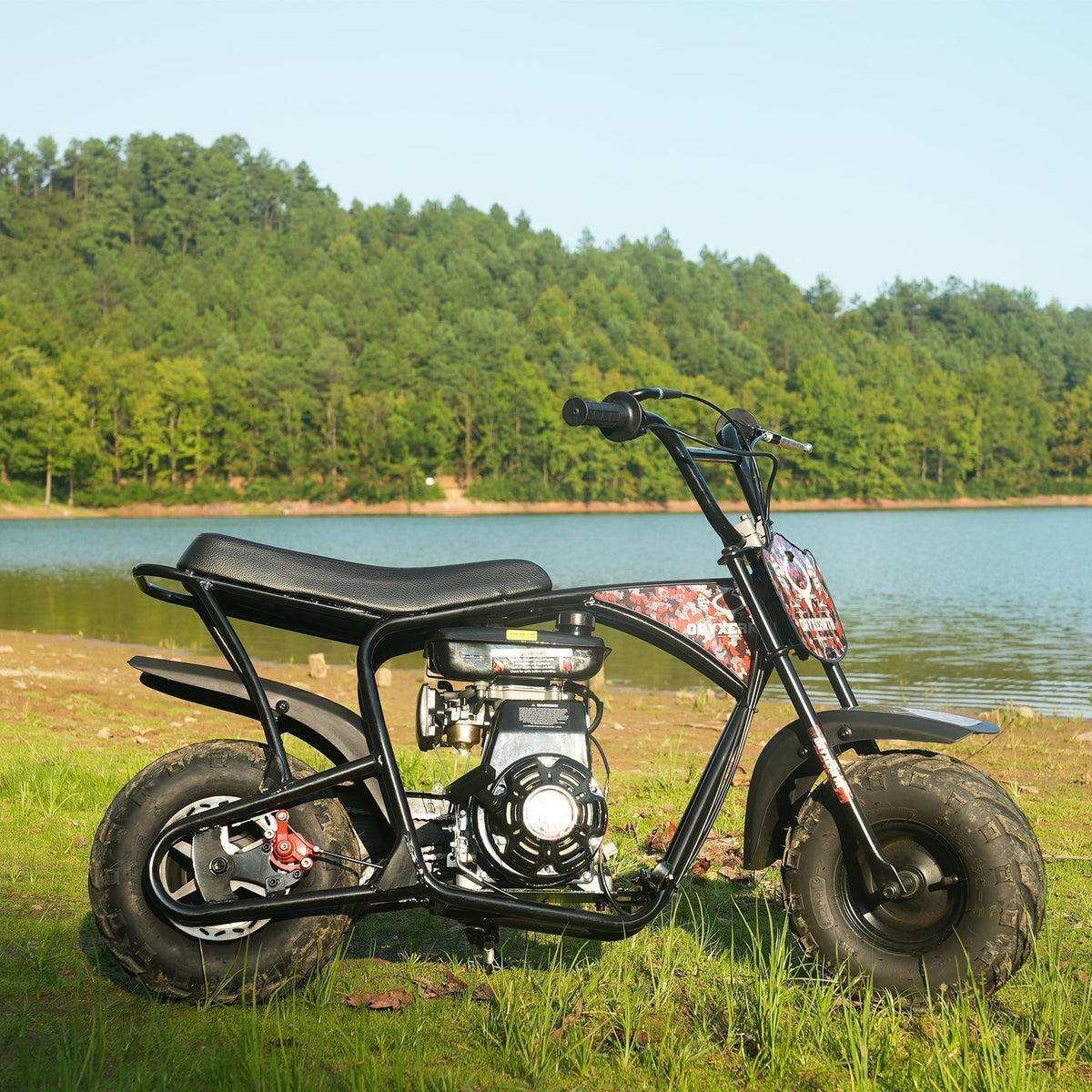
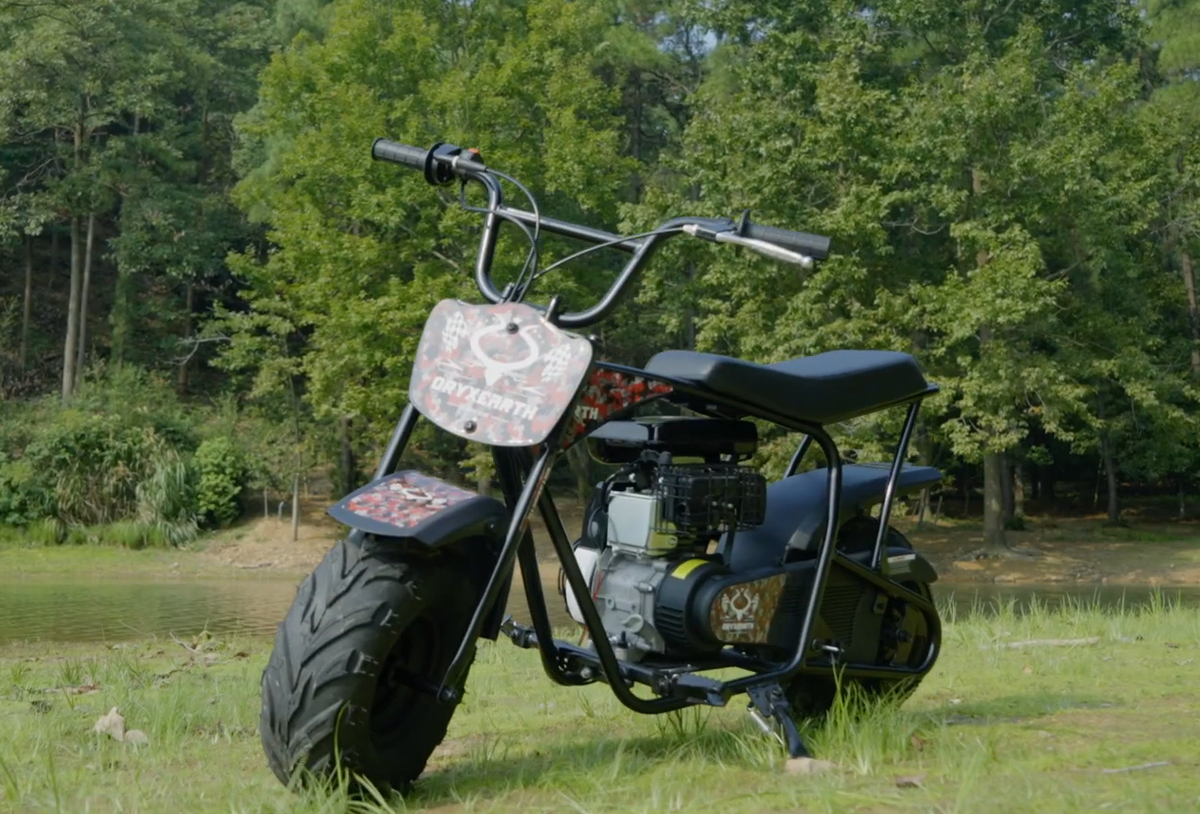
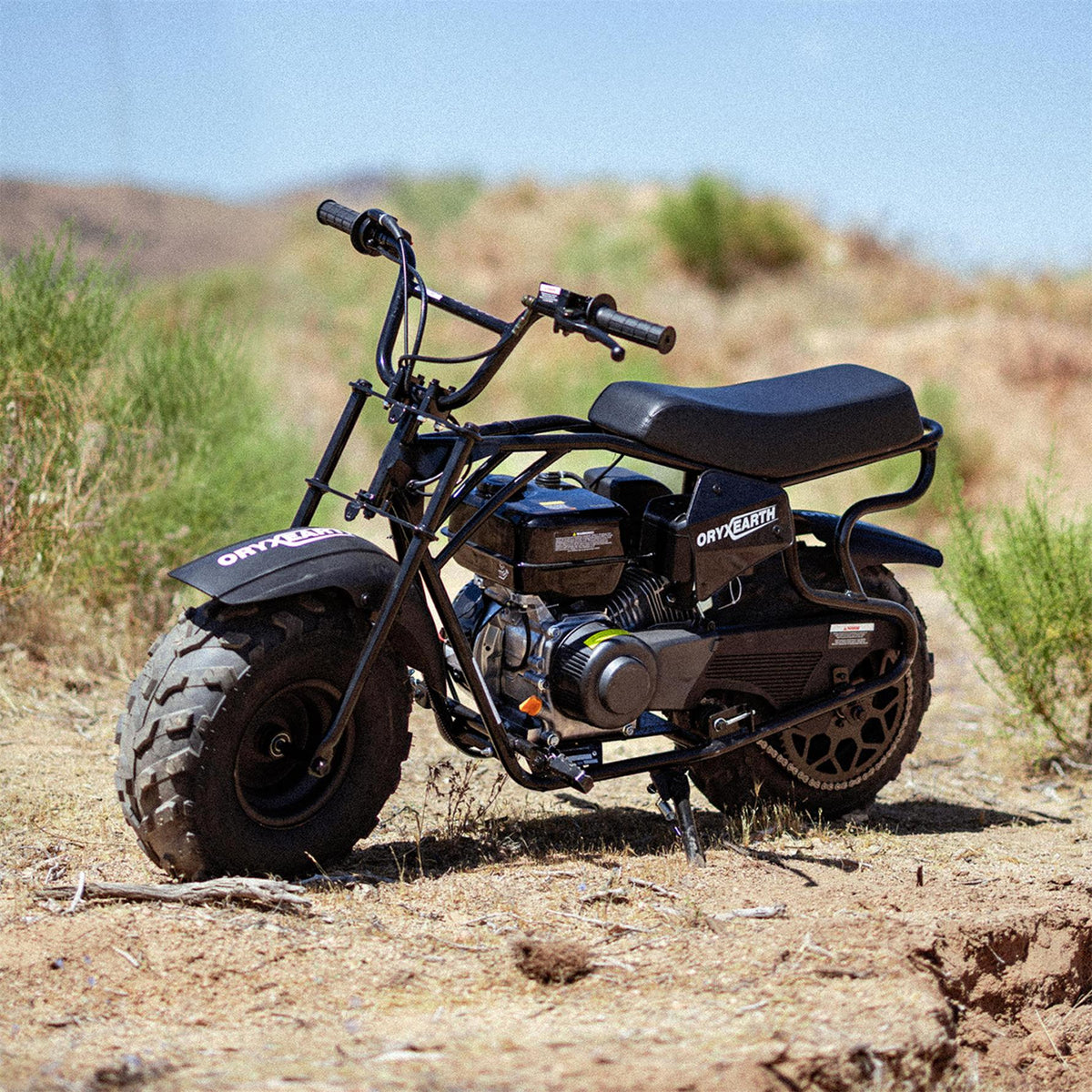
A mini bike is a small, motorized two-wheeled vehicle designed for recreational off-road use. Typically equipped with a compact gas-powered engine, these compact bikes feature a simplified frame, small wheels, and basic controls that make them ideal for learning.
Unlike full-sized motorcycles, most gas mini bikes use a pull-start mechanism similar to a lawnmower, with a centrifugal clutch that automatically engages as you accelerate. This means no manual clutch or gear shifting—just twist the throttle and go. The engine drives the rear wheel through a chain drive system, while handlebar-mounted controls manage the throttle, front brake, and engine kill switch. The compact size and lightweight frame make these bikes easy to maneuver and less intimidating for new riders. Many models feature automatic transmissions that let beginners focus entirely on balance and control without the added complexity of shifting gears.

Essential Safety Gear for Mini Bike Riding
Before you twist that throttle for the first time, having the right safety gear is non-negotiable. Mini dirt bike riding involves inherent risks, and proper protection can mean the difference between a fun afternoon and a trip to the emergency room.
Below is a breakdown of all essential protective equipment you should prepare before every ride:
· DOT-approved full-face helmet
· Impact-resistant goggles
· Riding gloves
· Slip-resistant over-the-ankle boots
· Elbow and knee pads, lightweight chest protector (for aggressive riding)
· Durable long-sleeved shirt and long pants
Remember, safety gear isn’t optional — it’s an investment in your ability to keep riding for years to come.

How to Start and Ride a Mini Bike Safely
New riders often struggle to start the gas-powered mini bike due to incorrect operation sequence. Follow this complete cold-start procedure strictly.
1.Adjust the choke lever.
Push the choke lever to the START position. (Left=RUN mode/Right=START mode)
2.Open the fuel valve.
Push the fuel valve lever to the ON position. (Left=OFF/Right=ON). Wait 1 minute to allow fuel to flow into the carburetor.
3.Pre-fuel preparation.
Set the engine stop switch to OFF. Turn the throttle fully to maximum, pull the pull-start cord 3 times, then release the throttle.
4.Activate the engine stop switch.
Switch the engine stop switch to ON.
5.Start the engine.
Slightly twist the throttle. Pull the pull-start cord continuously until the engine fires up. Keep the throttle position unchanged after startup.
6.Switch to running mode.
Once the engine runs steadily, push the choke lever to the RUN position.
Mini Bike Braking and Control Tips for Beginners
Mastering braking and control is the key to safe and enjoyable mini trail bike riding. Many beginners make the mistake of over-applying brake force abruptly, which can cause the bike to skid or lose balance on off-road surfaces.
The golden rule of braking for Oryxearth mini bikes is that stopping power comes from our durable rear disc brake system, activated by the handlebar brake lever. Use smooth, consistent pressure instead of squeezing the lever abruptly. Hard, sudden pulls lock the rear wheel and cause skidding on grass, gravel or dirt surfaces. Start with low-speed straight-line practice to get familiar with the rear discs responsive stopping performance. Avoid heavy braking while leaning through corners; reduce speed fully before turning, then coast or use gentle throttle through the bend.
For stable handling, keep your weight centered over the bike and maintain relaxed, slightly bent elbows. Tight grips on the handlebars limit steering response and reduce vibration dampening over trails. When riding over bumps and rough ground, rise slightly on the foot pegs with bent knees so your legs absorb shocks and keep you balanced. Always look ahead toward your intended path, as your body will naturally follow your line of sight. Keep all inputs gradual: smooth throttle, controlled braking and gentle steering work together to keep your mini bike stable and predictable.
Where Can You Ride a Mini Bike?
One of the first questions new riders ask is: where can I ride a mini bike? The answer depends on where you live, but there are several options for legal and fun riding locations.
Private property is the most straightforward choice — if you or a friend owns land with open space, you can ride there with permission. Just make sure to respect property boundaries and local noise ordinances. Many areas also have designated off-road parks or OHV areas that are purpose-built for dirt bikes and mini bikes. These parks often have marked trails of varying difficulty levels, making them great places to practice and meet other riders. Some motocross tracks also offer open practice days for mini bike riders.
It’s important to note that mini bikes are not street legal in most jurisdictions. They’re designed exclusively for off-road use and lack the required equipment — headlights, turn signals, mirrors, and license plates — to be ridden on public roads, sidewalks, or bike paths. Riding on public property like parks or empty lots can result in fines and having your bike impounded. Always check your local laws and find designated riding areas to stay on the right side of the law while enjoying your ride.

FAQs
Is a Mini Bike Easy to Ride for Beginners?
Yes, mini bikes are generally easy for beginners to learn on. Their small size, light weight, and automatic transmissions make them much less intimidating than full-sized motorcycles. Most people can get the hang of basic riding within an afternoon, though mastering control and building confidence takes practice.
Can You Ride a Mini Bike on Public Roads?
No, mini bikes are not street legal in most areas. Always ride on private property with permission or at designated off-road parks to avoid legal trouble.
What Safety Gear Do You Need for Riding a Mini Bike?
At minimum, you need a helmet, goggles, gloves, and sturdy boots. For more protection, add knee and elbow pads, a chest protector, and durable long clothing.
Related
Mini Bike for Kids: Where Young Riders Begin Their Epic Journey
Ride Into Adventure: Exploring the MiniMotorbike Craze
Conclusion
Getting started with mini bike riding is an exciting journey that combines fun, skill-building, and outdoor adventure. By understanding how these machines work, investing in proper safety gear, mastering starting and riding techniques, and knowing where to ride legally, you’ll be well on your way to enjoying everything this hobby has to offer. Stay safe, start slow, and above all else — have fun out there!

Leave a comment
All comments are moderated before being published.
This site is protected by hCaptcha and the hCaptcha Privacy Policy and Terms of Service apply.